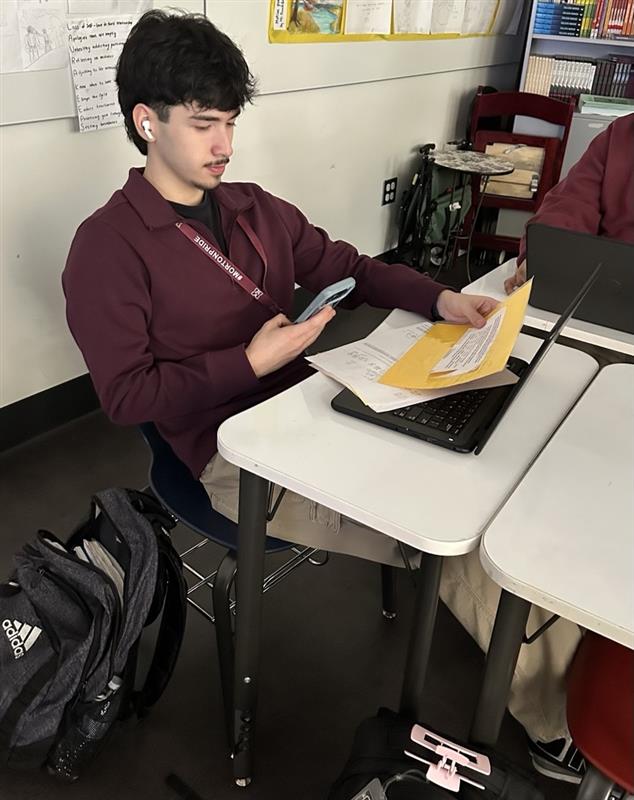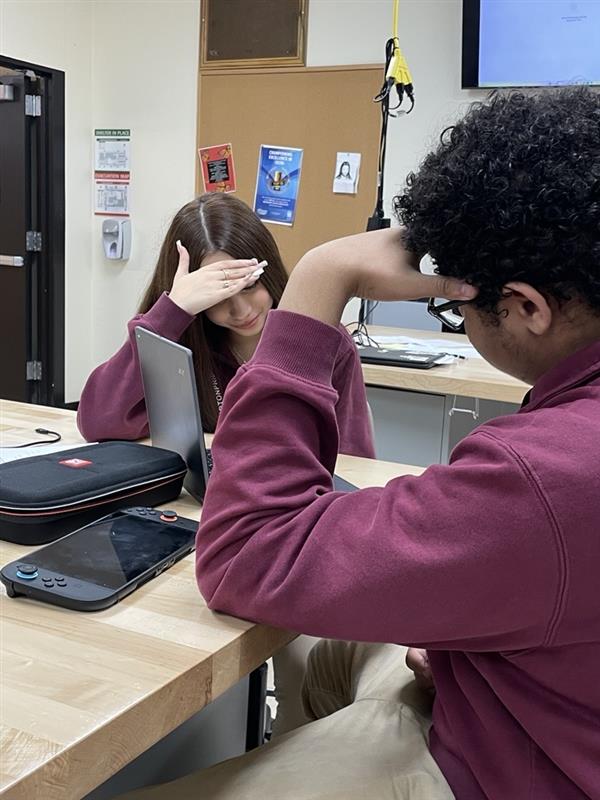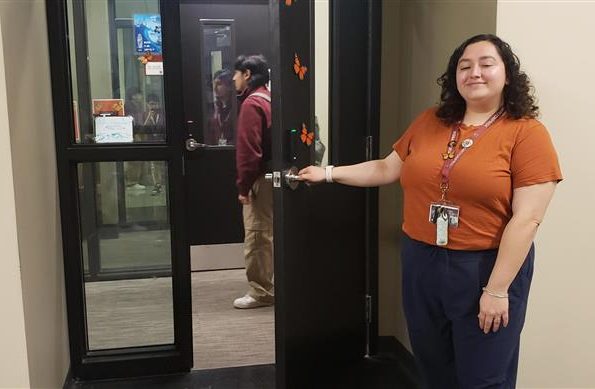
A significant number of students have received emotional and mental help here at Morton East through Student Support Services.
In a random survey, 17% of students said they seek mental health support, while 83% said they have not sought mental health support.
Public schools in the United States began offering mental health–related services in the early 1900s, but these services were very limited at first. Influenced by the mental hygiene movement led by reformers such as Clifford Beers, schools started hiring psychologists to identify students with learning or behavioral difficulties. Early efforts focused mostly on testing and evaluation rather than counseling or therapy. By the mid-20th century, guidance counselors became more common, helping students with academic planning and personal issues. A major turning point came in 1975 with the passage of the Education for All Handicapped Children Act, later renamed the Individuals with Disabilities Education Act (IDEA), which required public schools to provide support services for students with disabilities, including emotional disorders. Since then, mental health services in schools have expanded to include counseling, crisis intervention, prevention programs, and partnerships with community providers, making them a regular part of many public education systems today.
Programs and Resources at Morton East
The following programs are available to support students:
- Tapestry Program
Provides students with mentoring, academic support, and social-emotional guidance to help them succeed in school and graduate on time. - School Social Workers
Provide counseling, crisis intervention, academic and behavioral support, and connect families with community resources to help students succeed. - School Psychologists
Assess students’ learning and emotional needs, provide counseling and crisis support, and work with teachers and families to develop strategies that help students succeed academically and socially. - Guidance Department
Helps students with academic planning, course selection, college and career readiness, and personal support to keep them on track for graduation. - Youth Crossroads
Offers counseling, mentoring, and prevention programs that support students’ emotional well-being and positive decision-making.
These programs are available to help students with issues such as:
- Stress, anxiety, or feeling overwhelmed
- Peer or friendship concerns
- Family or personal challenges
- Academic or school-related concerns
- Problem-solving and coping skills
- Crisis or urgent support
- Or simply needing someone to talk to
How Students Access These Resources
According to counselor Maria Salgado, students must first schedule a meeting with their counselor to be referred to any of these support groups.
“There are different support groups depending on the student’s needs. The way to access these groups is to speak to a counselor or a social worker. We will work with the student to see if they would like an additional resource. Resources could include individual therapy or a support group. For example, a grief group for students who have experienced the loss of a loved one. They are welcome to be a part of the grief group,” said Maria Salgado.
Identity and Community Support Groups
In addition to emotional support groups, the school also offers spaces centered on identity and community.
- Pride Group
“Specifically for our LGBTQ students. We talk about sexual identity, gender identity, and where students can find safe spaces within our community,” said Diana Villalobos.
Villalobos explained that the school also offers identity-based groups that support students in exploring their cultural backgrounds and shared experiences.
- Umoja
“Specifically for our African American students, exploring identity within their race and history, and learning to manage the pressures of being a minority in society and also in Cicero,” said Diana Villalobos.
Villalobos added that some groups focus on helping students develop positive behaviors and life skills.
- Boys Group
“We talk about healthy masculinity, how to make healthy choices, and pro-social behavior,” said Diana Villalobos.
How the Groups Are Scheduled
Villalobos explained that these support groups are structured to fit within the school schedule so students can participate without falling behind in class.
“We meet with students one day a week for one hour, for both individual and group sessions. It is during the school day, and we rotate periods, so they don’t miss the same class each week,” said Diana Villalobos.
She added that students typically join the groups through referrals from school staff.
“We usually don’t go out to recruit. Students get referred to us by a counselor, social worker, or even Ms. Cortes, the assistant principal,” said Diana Villalobos.